
Fillings
Used to prevent the spread of tooth decay or correct any cosmetic damage, a filling is just one of the ways our dentists preserve your health.
Before placement, any rot must be drilled out.
We offer local anesthesia along with sedation to ensure maximum comfort for our patients.
There are two different types of fillings: amalgam (otherwise known as silver fillings) and composite resin, the colour of which can be customised to match your natural teeth.
——————————————————————
Amalgam
Made up of silver, copper, mercury, and tin, amalgam fillings are the most durable and economical option for our patients.
They last up to ten years and are less likely to fall out or break.
Commonly used for filling in molar cavities, amalgam fillings can withstand biting pressure and can be fully administered in a single visit.
Despite the mercury content, these silver fillings are perfectly safe for any ages.
However, as we focus purely on function and aesthetics; we no longer provide amalgam fillings.
——————————————————————
Composite Resin
This is our material of choice for all our dental fillings. Composite resin fillings can be adjusted to every individual patient teeth. It is the also the most aesthetically pleasing option.
Composite resin is ideal for repairing chipped or cracked teeth, filling in a tooth gap, correcting teeth discoloration, protecting any exposed tooth root from gum recession, or changing the shape of teeth.
Patients may also choose composite resin for cavity fillings as they are bonded to the teeth in layers and therefore require less drilling away of the natural tooth.
——————————————————————
Customized Inlays/Onlays
If the cavities become too large, the dentist may recommend, customized inlays/ onlays or crowns.
These are filling materials that are specially made in the laboratory to fit the prepared cavity.
The material may be of made of metal or tooth-colored ceramics.
We provide single day inlay/onlay treatments at our clinics.
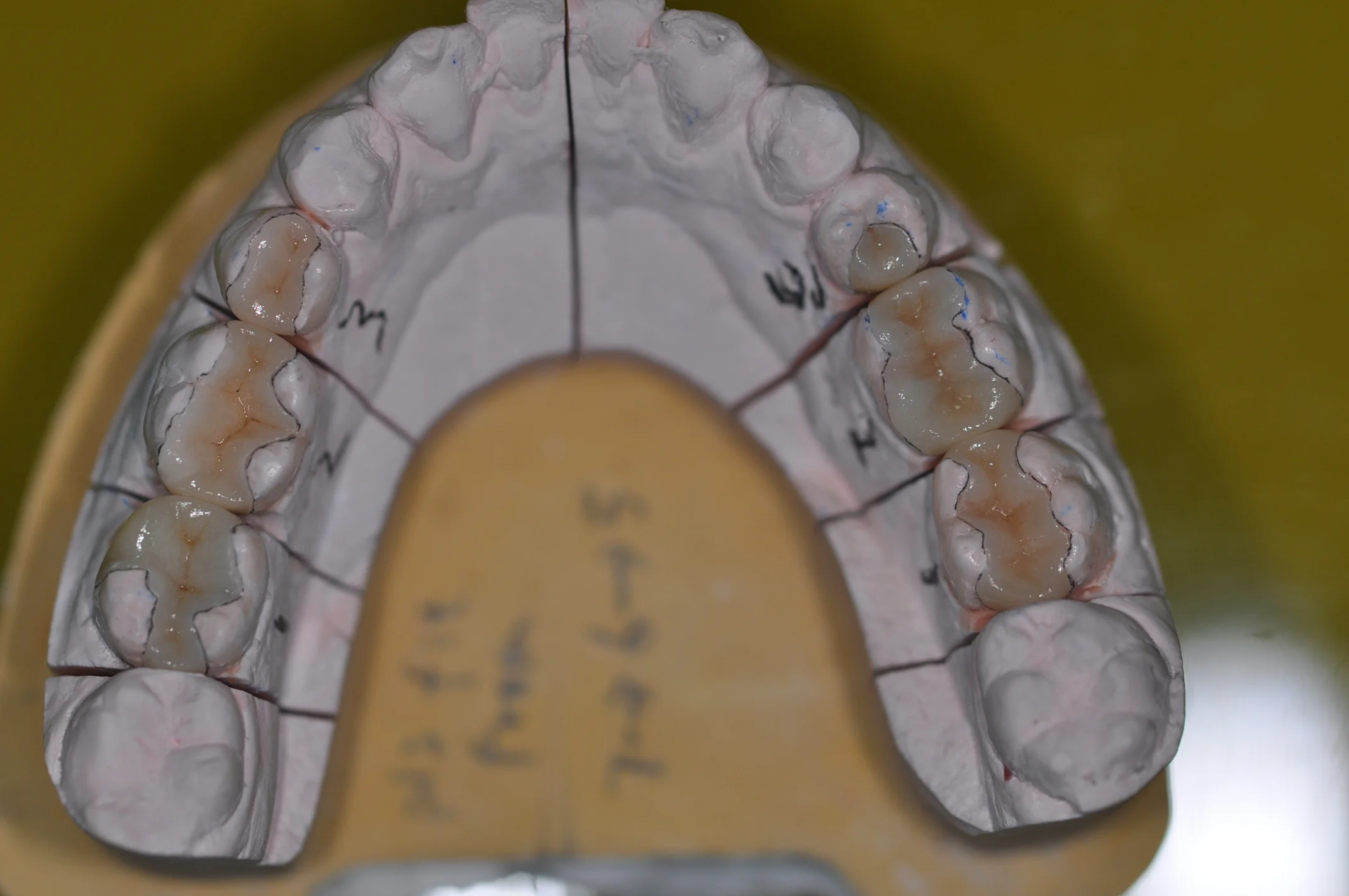
Laboratory Made Inlays

Large Cavities
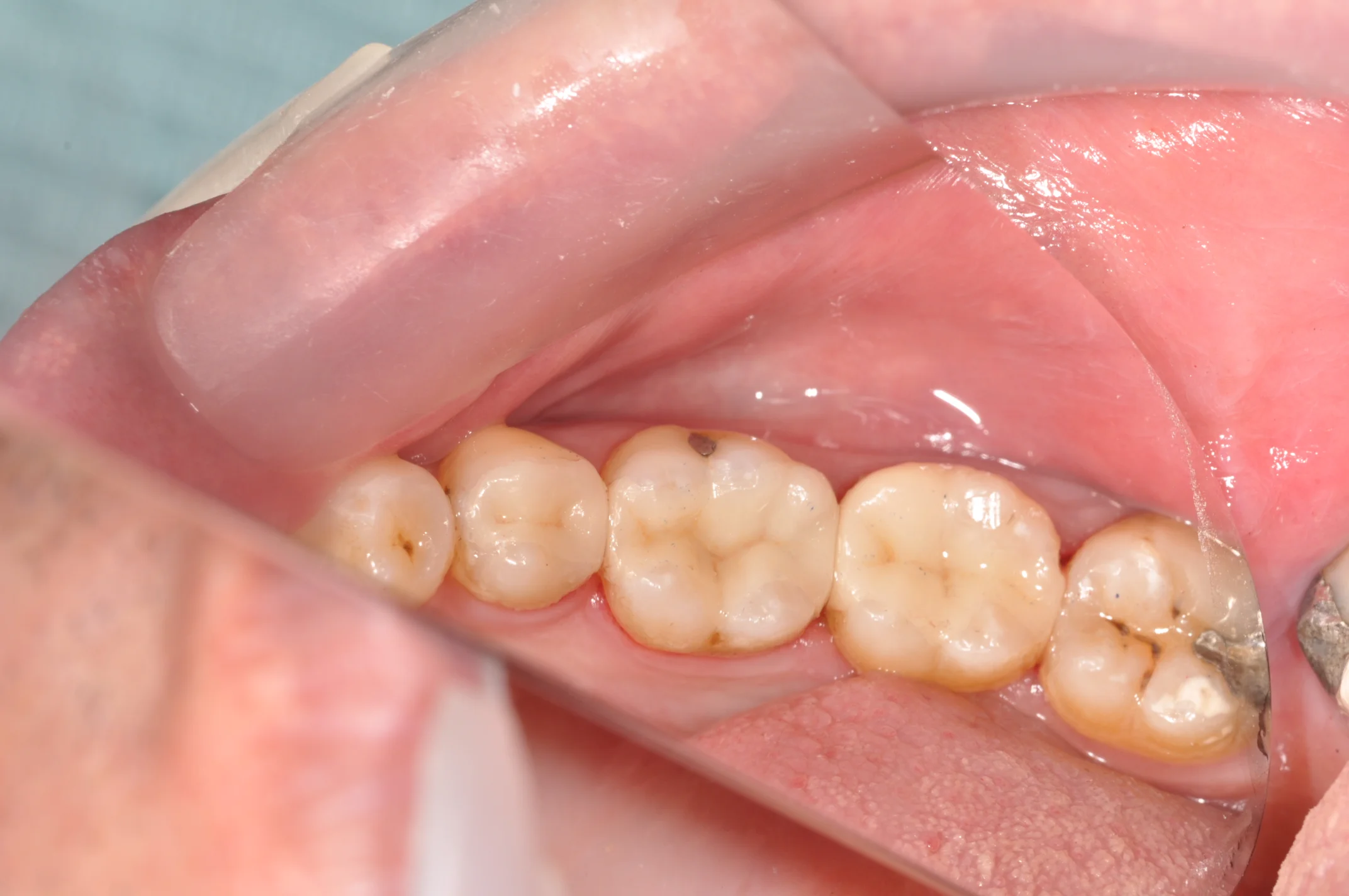
Ceramic Inlays
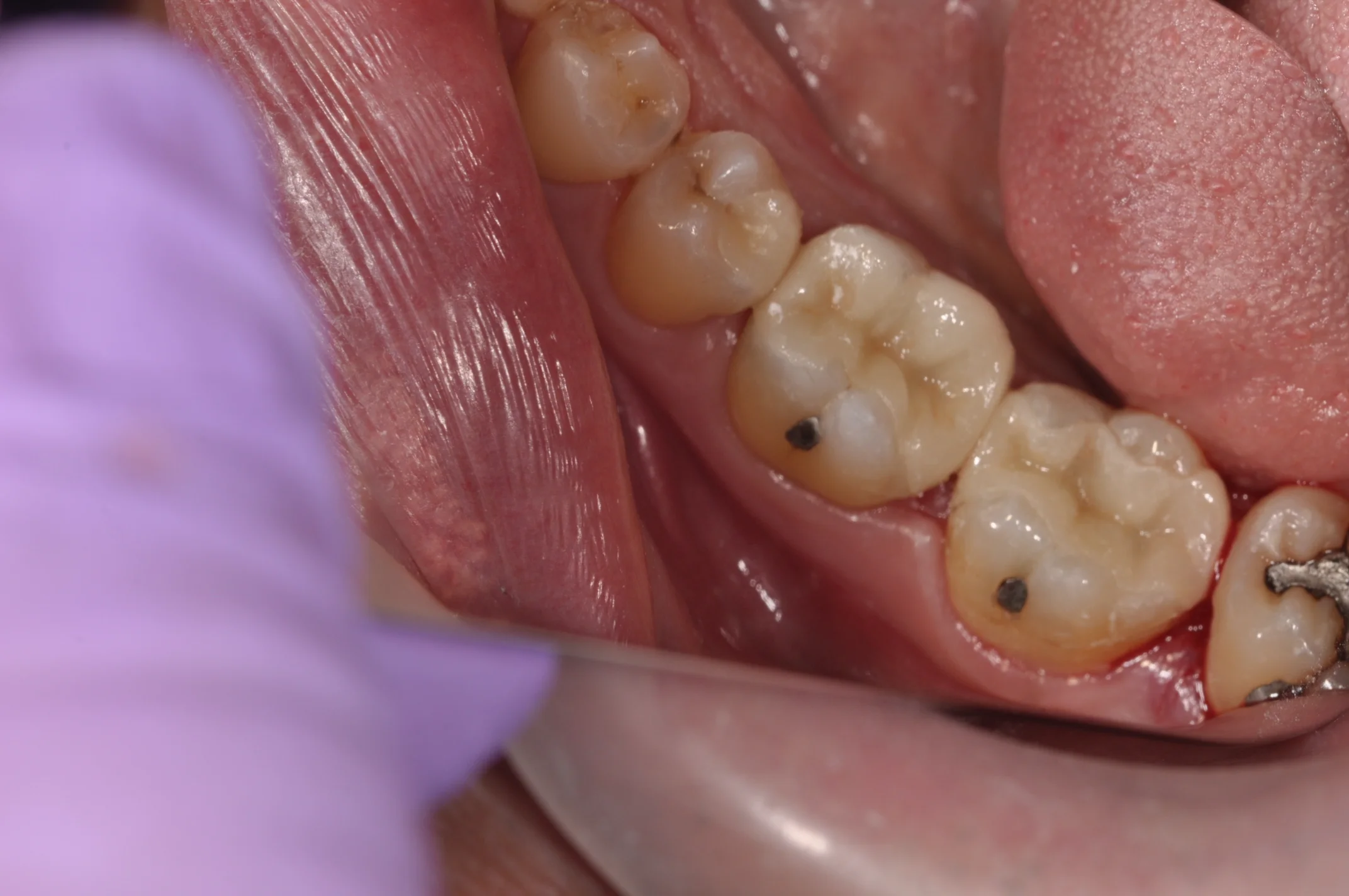
Ceramic Inlays
FREQUENTLY ASKED QUESTIONS (FAQ)
-
A single-day restoration is a custom tooth cap designed and milled entirely on-site during a single visit. We capture a highly precise digital impression using our advanced Planmeca intraoral scanner and Romexis CAD/CAM software to design your custom restoration on-screen in minutes.
-
No, you do not need to wear temporary plastic restorations or wait weeks for an external dental lab. Our in-house digital workflow utilizes a precision Planmeca PlanMill chairside milling unit to fabricate your permanent full ceramic inlay or onlay during your visit, allowing it to be bonded immediately.
-
es, we safely remove old silver amalgam fillings and replace them with aesthetic, tooth-colored composite or durable porcelain restorations. Our clinical team evaluates your existing fillings during a routine checkup to ensure safe extraction and replacement.
-
Minor tooth sensitivity to hot or cold temperatures is completely normal for a few days after receiving a dental filling. This temporary discomfort occurs as the nerve heals, but you should contact our Lim Dental team if the sensitivity persists for more than two weeks.
-
We primarily use high-quality composite resin (tooth-colored fillings) and full ceramic restorations at both our Setapak and Publika clinics. These modern dental materials blend seamlessly with your natural tooth enamel and are completely metal-free.
-
ommon signs of a failed or leaking filling include sudden pain when biting down, sharp sensitivity to cold liquids, or a rough edge you can feel with your tongue. We use high-resolution digital X-rays to check the integrity of your fillings during your bi-annual scaling appointment.
-
At Lim Dental, Dr. Lim and Dr. Caroline use a digital Planmeca CAD/CAM workflow to design and fabricate custom ceramic inlays and onlays. After preparing the tooth, a digital scan is taken, the restoration is designed using CAD software, and it is milled in-house using our Planmeca CAD/CAM system. This allows many patients to receive their final restoration in a single visit without the need for temporary restorations.
-
Lim Dental uses Planmeca CAD/CAM technology to digitally design and mill selected ceramic crowns, inlays and onlays in-house, allowing eligible patients to receive their final restoration in a single visit at our Publika and Setapak clinics.
